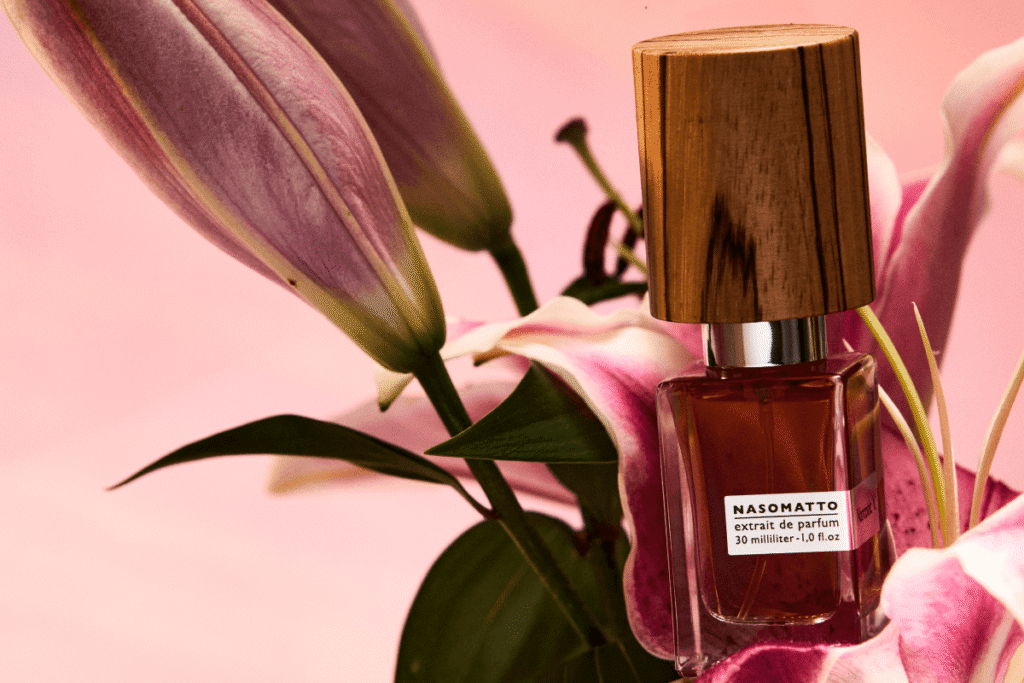
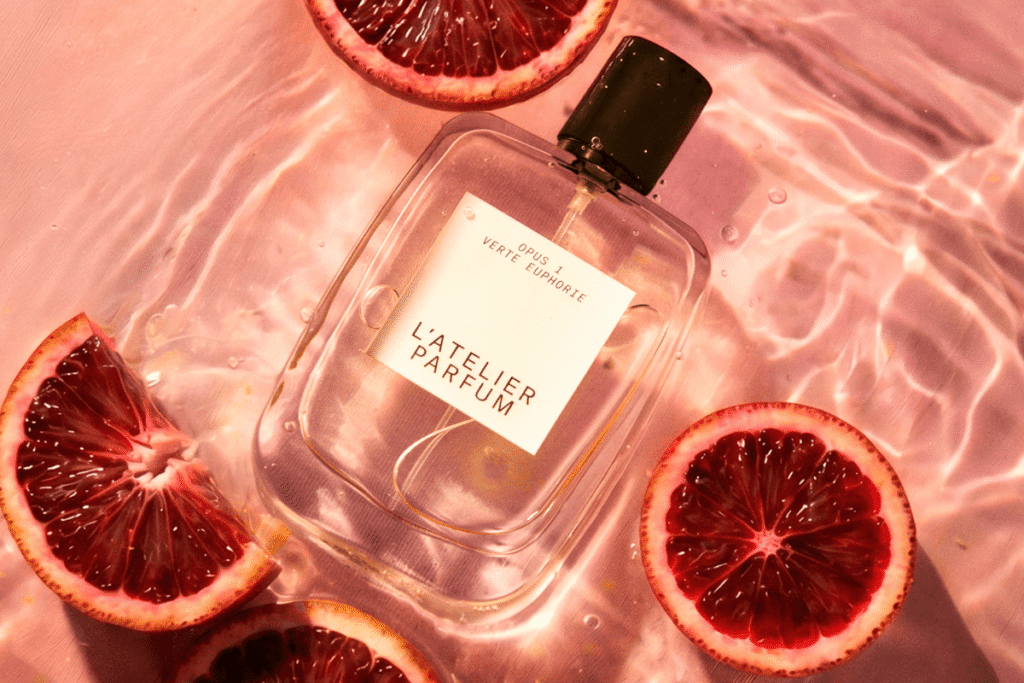
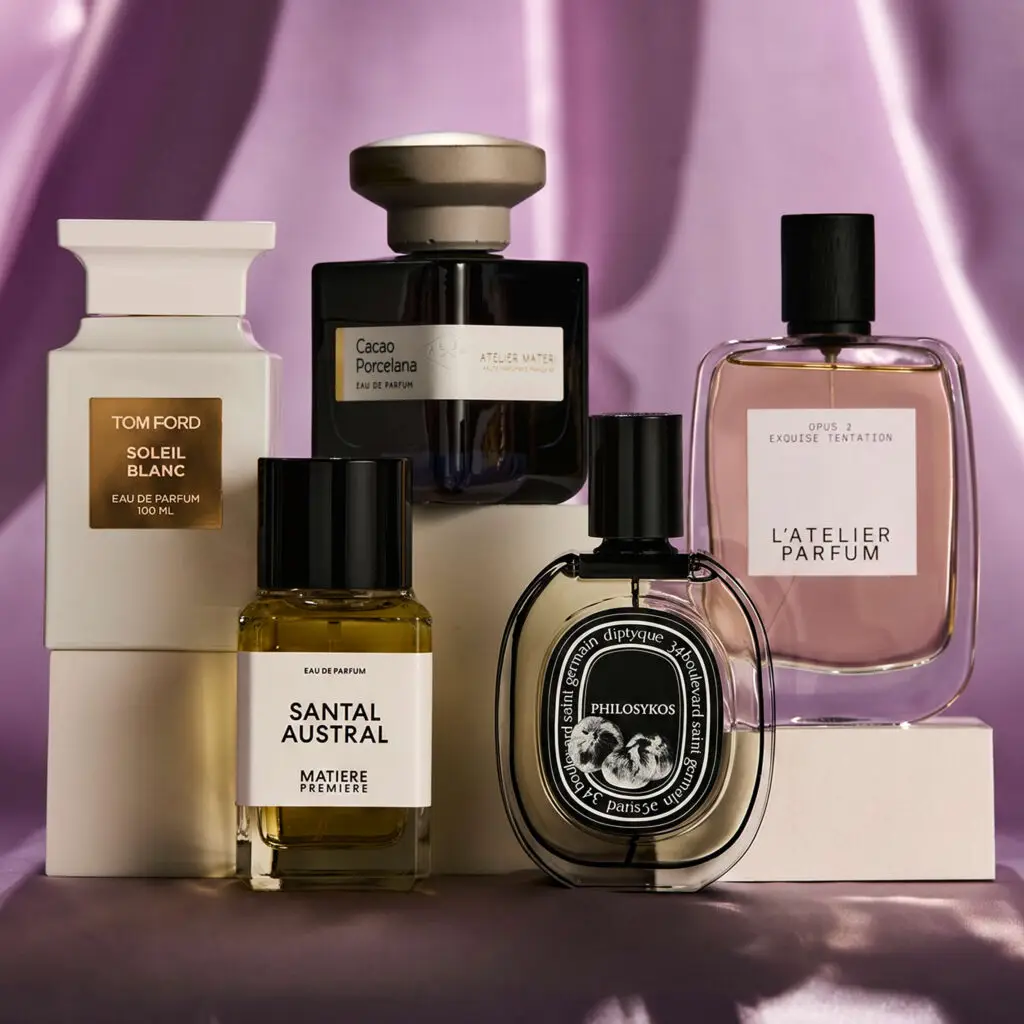
It usually starts with a moment of confusion. Someone you know is wearing something that does not fit any category you recognize — not fresh, not floral, not the kind of woody that reminds you of a department store counter. It lingers. It changes. Three hours later it is still there, quieter, closer to the skin. That, almost certainly, was your first encounter with niche perfumery.
What does "niche" actually mean in fragrance?
The term describes a specialized market segment — a narrow focus rather than mass appeal. Applied to perfumery, it marks out independent fragrance houses that operate outside the logic of mainstream commercial production. A niche perfume is not made to appeal to everyone. It is made to be something specific, intentional, and — when you find the right one — deeply personal.
There is no official certification for niche, but the category shares consistent characteristics: higher-quality raw materials, smaller production runs, selective distribution (you will not find these at airport duty-free or supermarket shelves), and an artistic identity that does not bend to market trends. The perfumer has genuine creative freedom — something that simply does not exist at the scale of mainstream commercial fragrance.
A brief history of niche perfumery
Niche perfumery as a recognized artistic movement began taking shape in the 1970s and 1980s, as a direct response to the growing standardization of commercial fragrance. Annick Goutal opened her first Paris boutique in 1980 with the conviction that a perfume should be a memory, not a product. Serge Lutens redefined olfactory boundaries at the Palais Royal, creating fragrances of a complexity that had no commercial equivalent. Frédéric Malle elevated the perfumer's name above the brand — the creator's signature on the bottle, not the house.
These pioneers set a precedent. The independent houses that followed — from Le Labo to Byredo, from Fugazzi to Jovoy — continued in the same spirit: fragrance created with intention, not market research.
What genuinely sets niche apart
The difference is not just price or packaging. It is substance — literally. Niche fragrances frequently use natural materials in higher proportions, or cutting-edge synthetics that simply do not appear in commercial formulas because of cost. A Turkish rose or an iris absolute is not a cheap ingredient, and a niche house will not substitute a more affordable equivalent to protect a profit margin.
Beyond ingredients, there is a difference in intent. Commercial fragrances are often engineered for immediate approval — what the industry calls sillage-first design. Niche fragrances sometimes ask for patience. You let them open on your skin, follow how they evolve from the first spray to the dry-down hours later. The reward can be an olfactory experience that changes across an entire day — something entirely unlike what you are used to wearing.
- Superior raw materials — higher proportions of quality naturals and premium synthetics
- Artistic freedom — the perfumer creates without the constraints of a commercial brief
- Selective distribution — rarely found in department stores or mass retail
- Strong identity — the fragrance says something precise; it does not try to please everyone
- Longevity and evolution — many niche fragrances perform remarkably on skin and have a visible development arc
Niche vs. designer fragrance
Designer fragrances — released under major fashion or beauty brands — are not automatically inferior. Many are excellent. But they operate under a different logic: they need to sell in volume, be available globally, resonate with the widest possible audience. This means formulas that follow market trends, inconsistent longevity in some cases, and a certain aversion to creative risk.
A niche fragrance does not fear risk. It can be polarizing. It can feel strange on first encounter. You may not like it immediately — and that is part of the experience. This is precisely why niche exploration is best done through samples and decants, not by committing to a full bottle on a first impression.
Niche houses at The Scent Nest
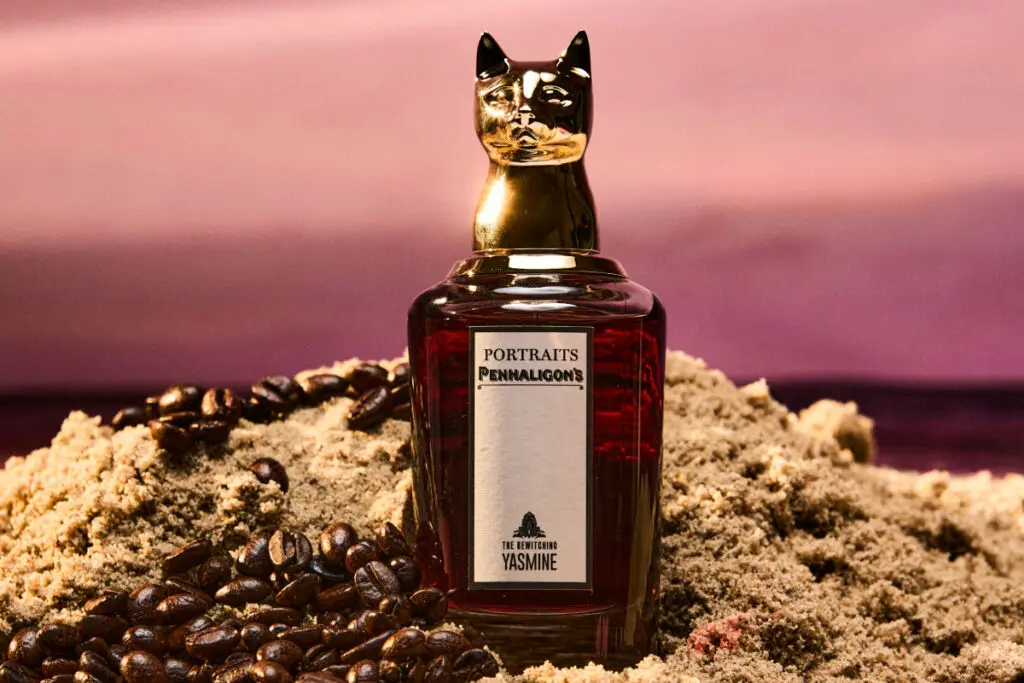
At The Scent Nest we curate a selection of niche and semi-niche houses chosen with care — fragrances worth discovering, from established names in the independent scene to smaller houses less well known in Romania.
Fugazzi is a strong example of a contemporary niche house with a distinct olfactory language — formulas built on contrast, with an unexpected approach to familiar ingredients. Vanilla Haze takes something as familiar as vanilla and transforms it completely: gourmand in character, but with a texture and depth you do not anticipate. From €9 for a 2ml decant.
Ormonde Jayne brings London's particular fragrance sensibility — attention to proportion, to balance, to a refined treatment of every note. Sakura is a masterwork of the floral genre: delicate without being fragile, with a cherry blossom and osmanthus heart that stays close to skin for hours. From €11 for a 2ml decant.
Jovoy, the Parisian house with a specific history in collectors' fragrance, brings strong character to the selection. Remember Me is a warm, lactonic study — black tea, milk, and vanilla in an accord that is at once comforting and genuinely unusual. From €10 for a 2ml decant.
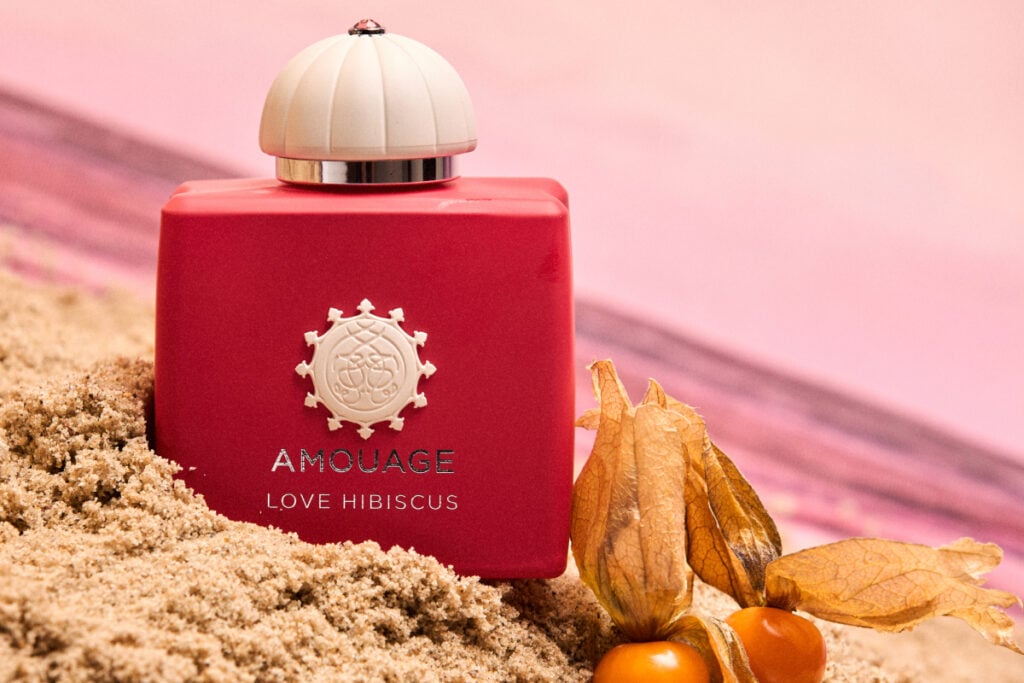
And if you are already familiar with Amouage, you know we have entered a different tier of niche entirely — fragrances of rare complexity and longevity, built from exceptional Middle Eastern ingredients at a pace that respects their craft.
How to explore niche perfumery without unnecessary risk
The most common mistake people make when discovering niche perfumery is buying a full bottle based on a few seconds on a tester strip — or on a review alone. Niche fragrances, more than anything else in perfumery, need to be worn on your skin, for hours, in your life.
This is why decants exist. Small portions — typically 2ml, 5ml, or 10ml — that let you test a fragrance properly before committing. At The Scent Nest, every fragrance in our selection is available as a decant, starting from €9 for 2ml. You explore, you find what resonates, then you invest in a bottle — if you want to.
Another excellent entry point is through discovery sets — thematic edits of 5 fragrances grouped around a specific mood or olfactory family. An elegant and economical way to navigate a world that can otherwise feel overwhelming without guidance.
Where to begin: recommendations for first-time explorers
If you are new to niche perfumery, the best approach is to start somewhere that does not take you too far from what you already enjoy — but that has something more. A woody fragrance with unexpected texture. A floral that does not behave like every other floral. A gourmand that is deeper than just sweet.
Vanilla Haze by Fugazzi is an excellent entry point — familiar in direction, surprising in execution. Sakura by Ormonde Jayne is ideal for those who love florals but want something more articulated, more refined. And if you would rather explore without a fixed destination, a discovery set is the most honest way to calibrate your taste.
Niche perfumery is not about being different for its own sake — it is about being precise, intentional, and real.
Frequently asked questions about niche perfumes
What makes a perfume niche as opposed to designer?
Niche fragrances are produced by independent houses with selective distribution and full artistic freedom. Designer fragrances belong to major brands and are created for high-volume sales. The essential difference is intent: niche does not try to please everyone; it aims to be something precise and memorable.
Are niche perfumes better than mainstream ones?
Not necessarily better — but fundamentally different. They often use higher-quality ingredients and have a clearer identity. If you prefer fragrances with complexity and longevity, niche is a space worth exploring seriously.
How much do niche perfumes cost at The Scent Nest?
Decants start from €9 for 2ml — the most accessible way to test. Full bottles range from €95 to €510 depending on the house and concentration. We always recommend testing through decants before investing in a bottle.
Do niche perfumes last longer on skin?
Generally, yes. Higher concentrations and quality ingredients contribute to better longevity. Many fragrances in our selection perform for 8–12 hours and leave a subtle but persistent trail.
Where can I try niche perfumes in Romania?
The Scent Nest offers decants for every fragrance in our selection — the ideal way to test risk-free before purchasing a full bottle. Shop anytime at thescentnest.com.