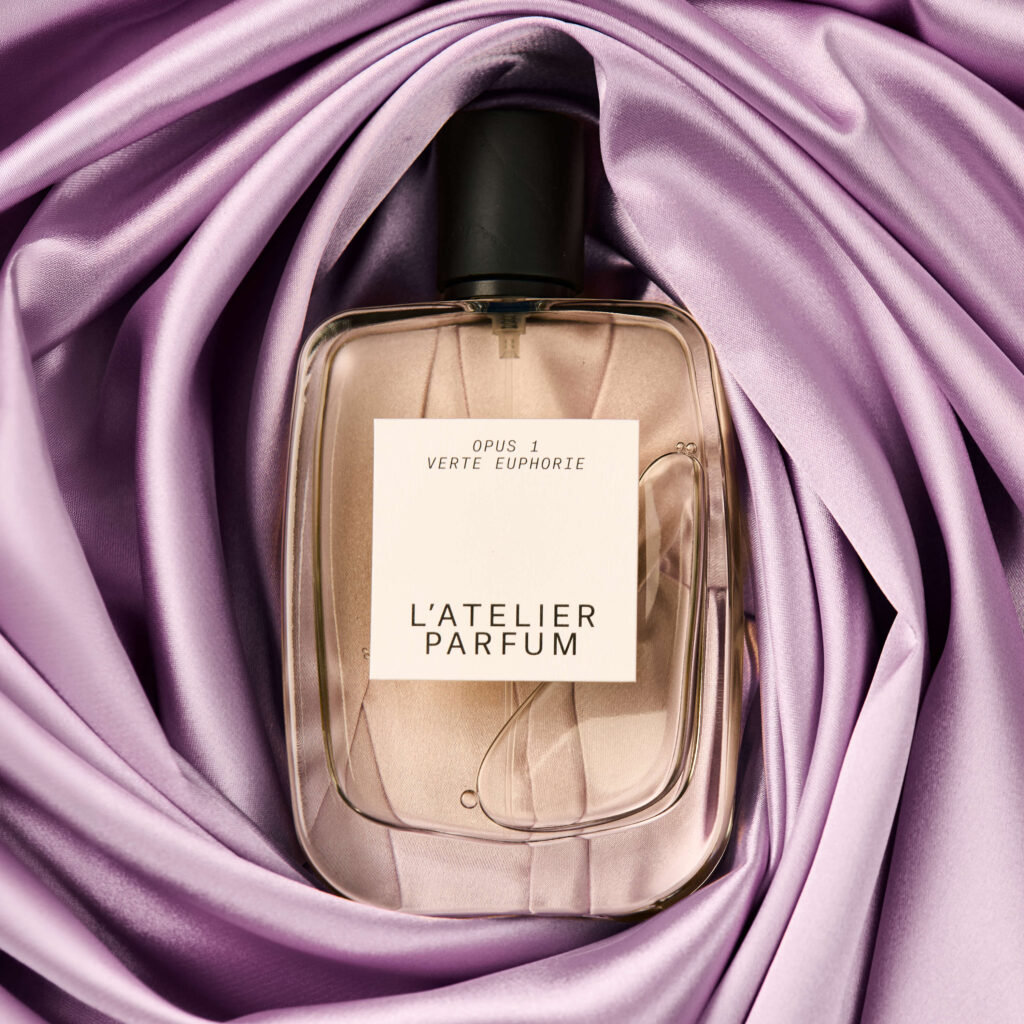
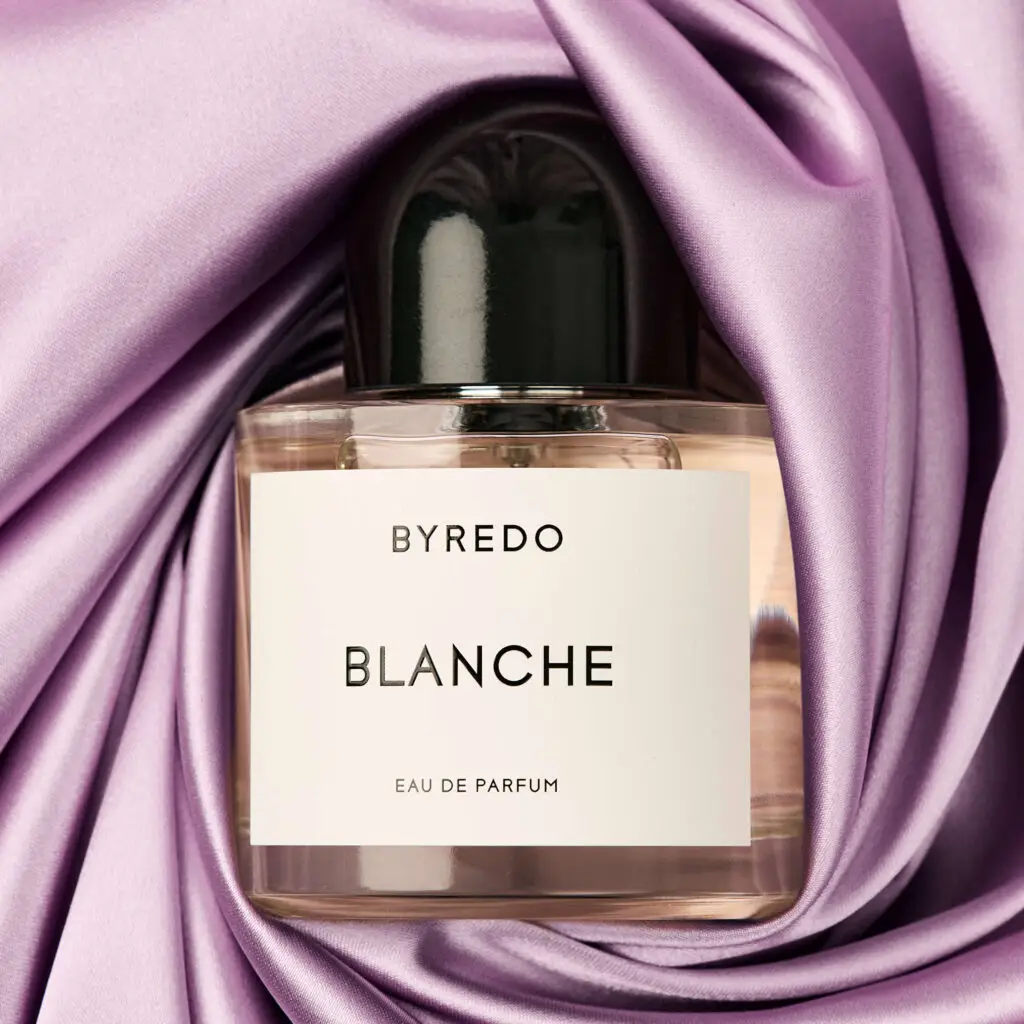
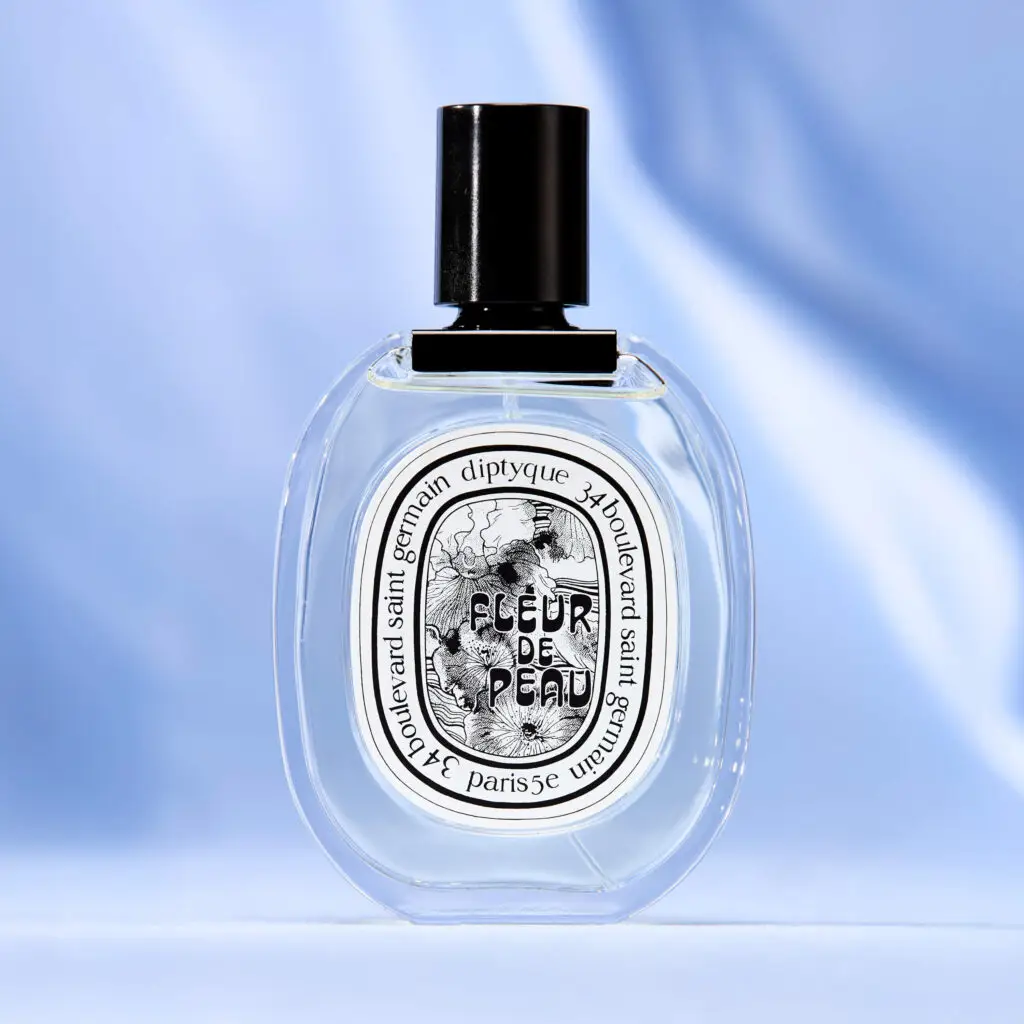
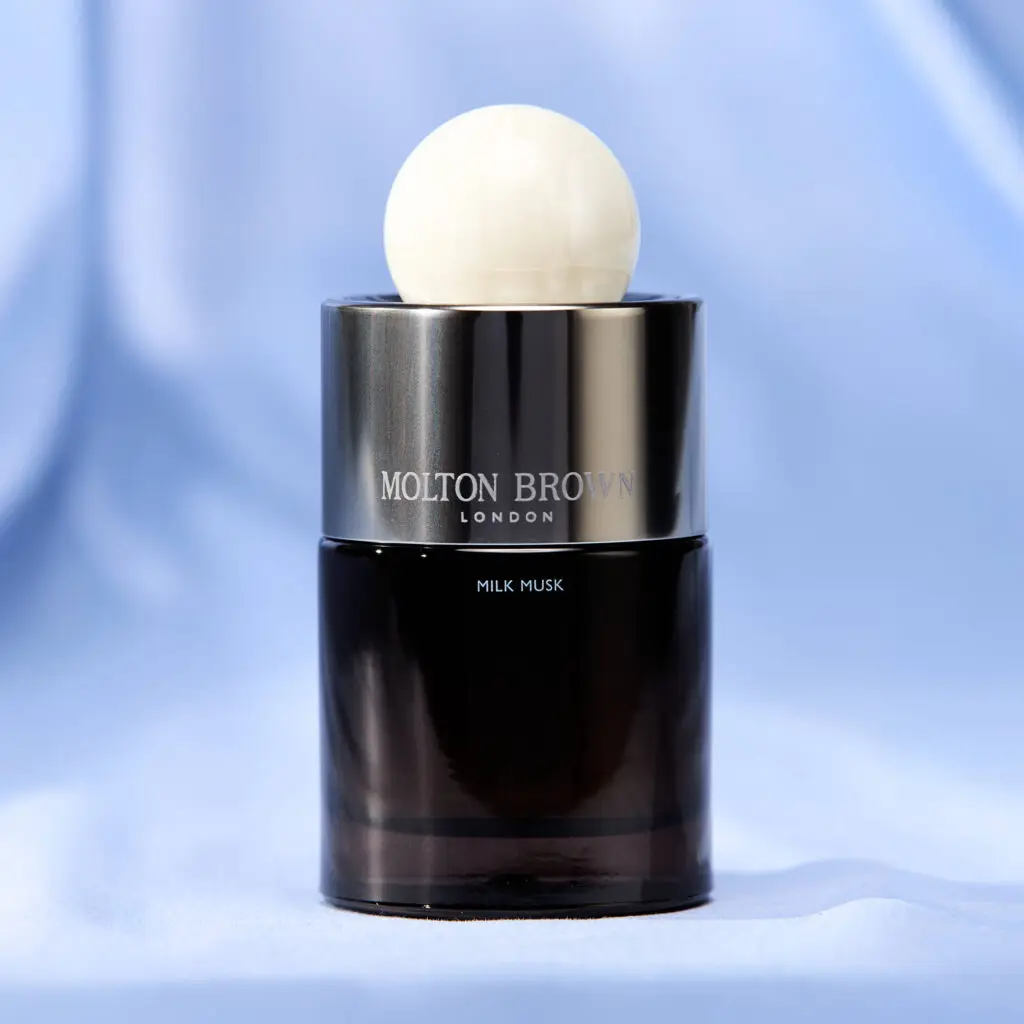
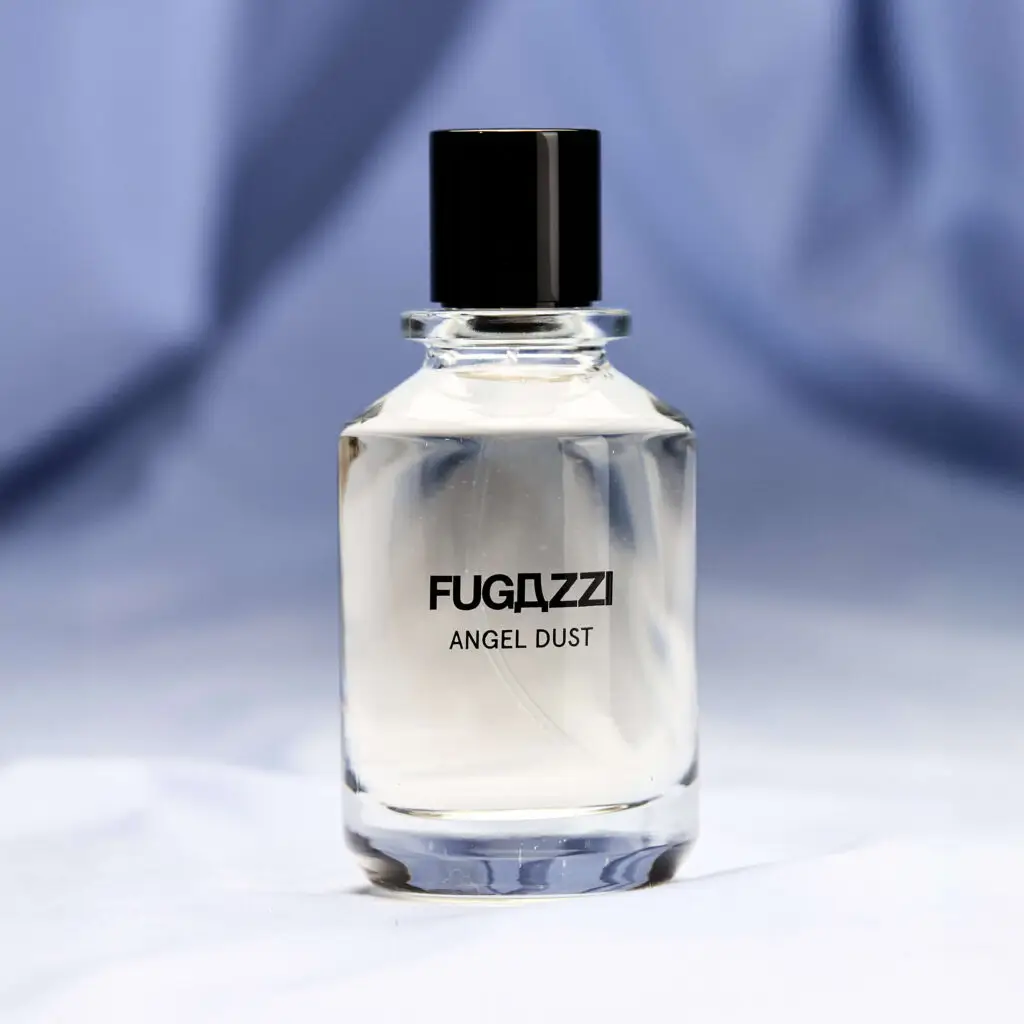
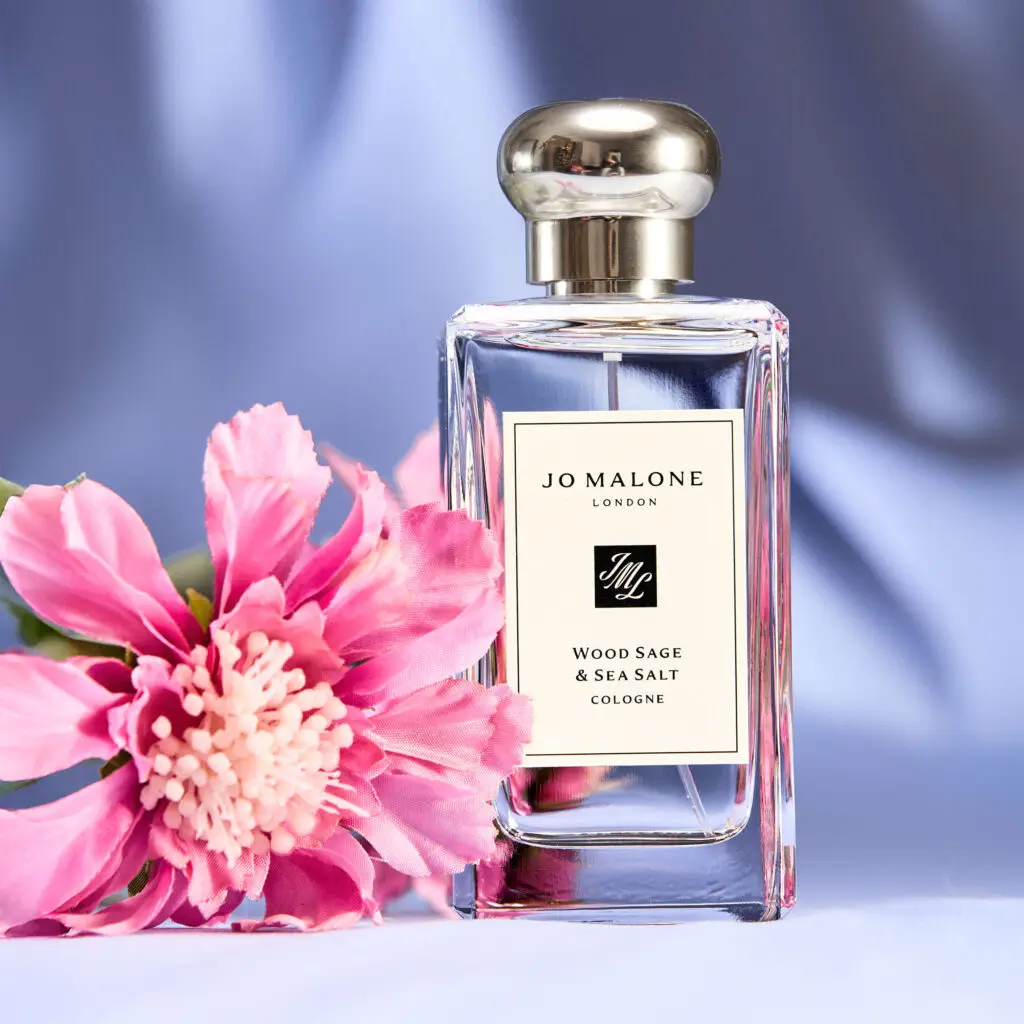
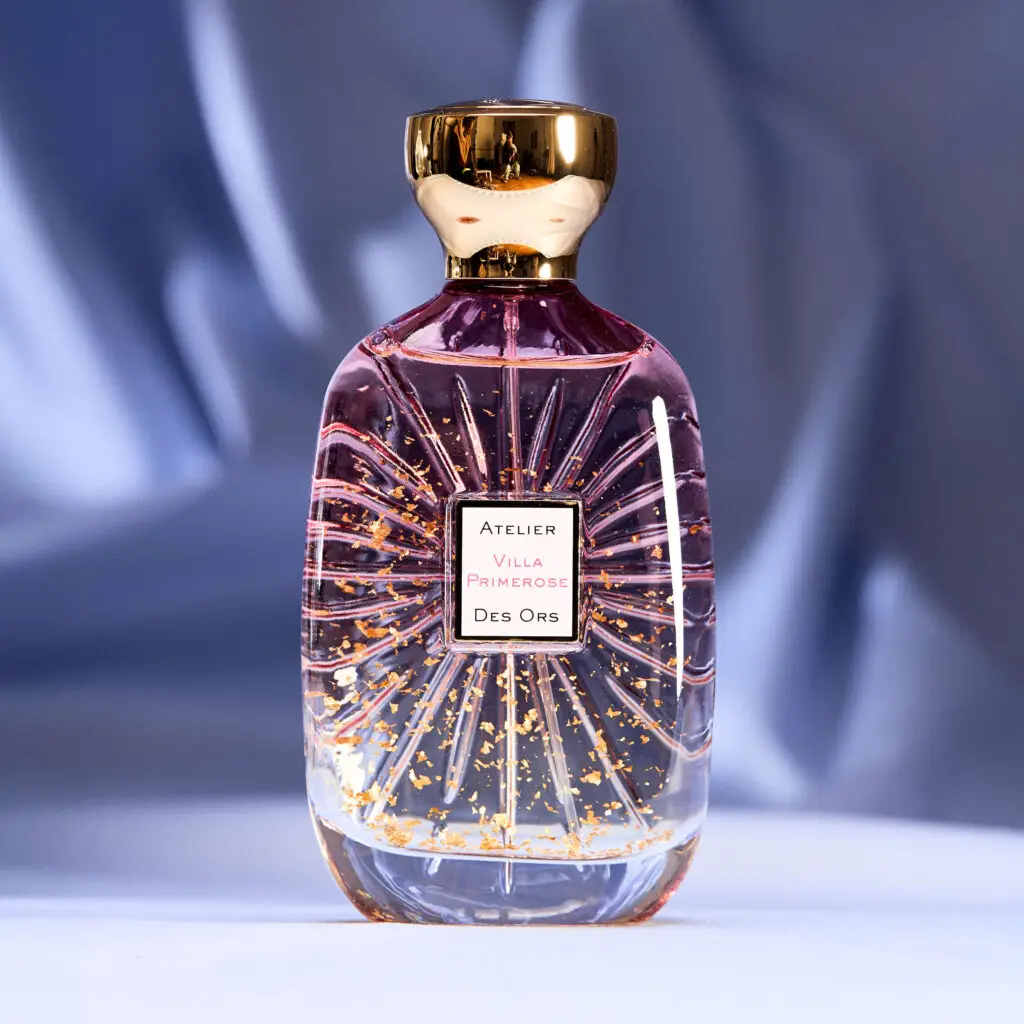
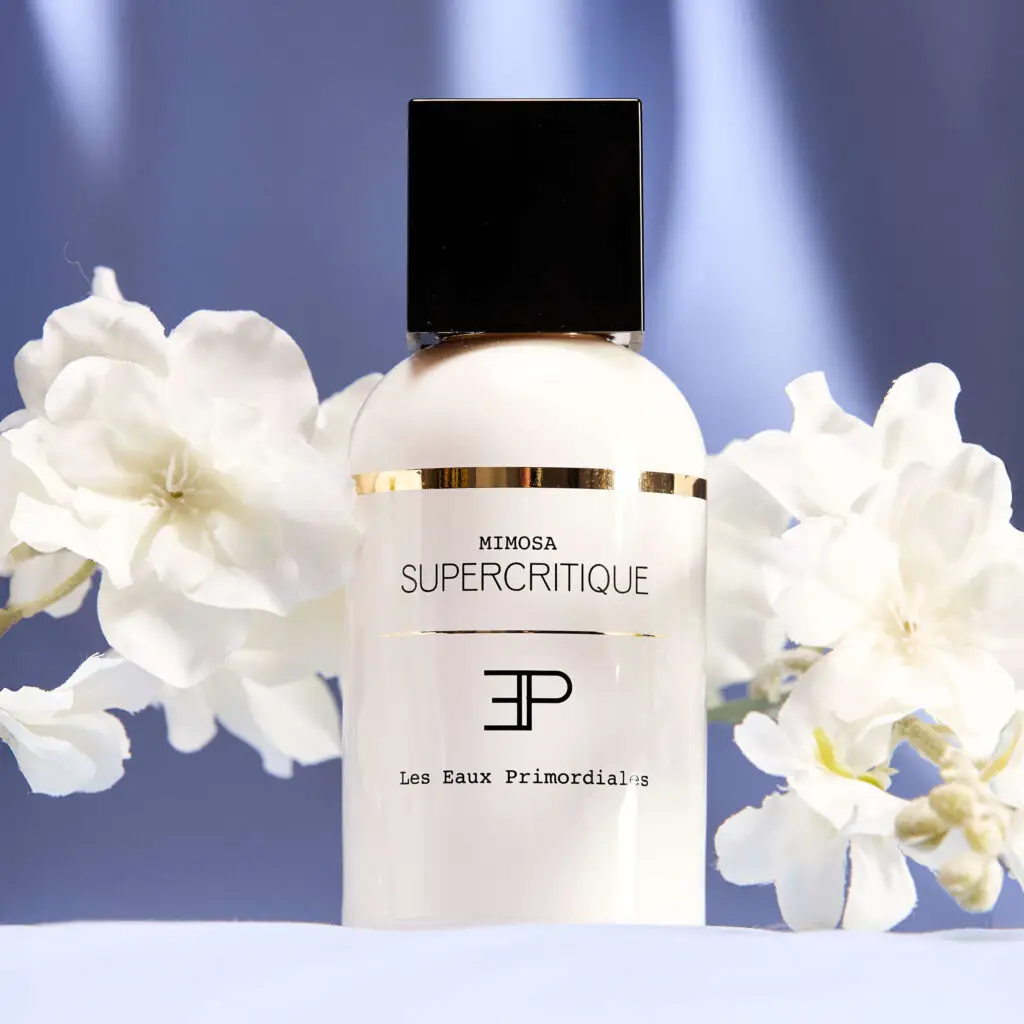
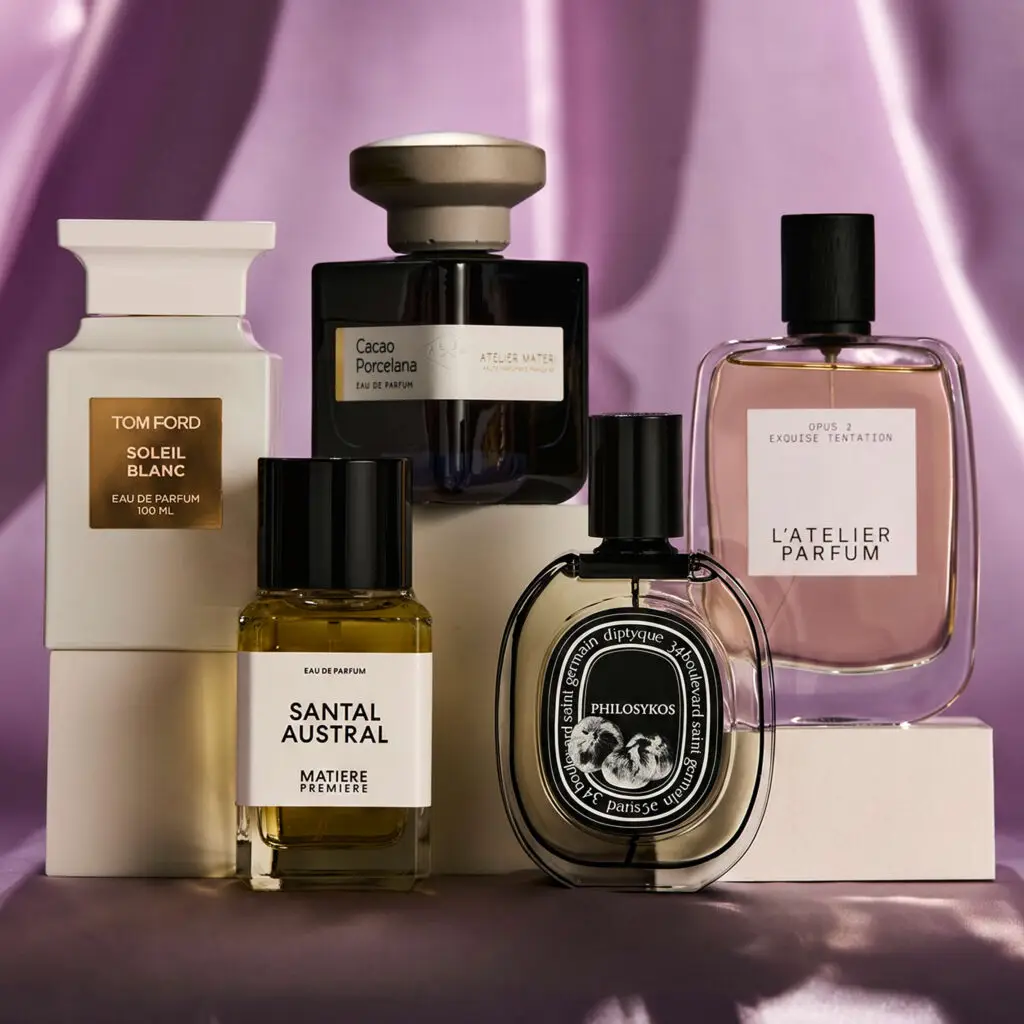
The musky family brings together fragrances with a predominant musk note: silky, warm, clean or animalic, depending on the type of musk used. Musk is one of the most versatile base notes in perfumery, capable of amplifying other ingredients, adding a clean skin sensation or creating a sensual and effortless presence.
Natural animal musk (from the musk deer gland) is banned in modern perfumery due to ethical and sustainability concerns. Modern musks are synthetic: white musk (clean, fresh, laundry-like), satin musk (creamy, soft), ambrette musk (with a floral and slightly fruity dimension) or smoky musk (with leather and smoke notes). Each type of synthetic musk has its own signature and behaves differently on skin.
Musk rarely functions as the primary character of a fragrance, but it is present in almost every fragrance construction as a fixative element, amplifier and sensual backdrop. A fragrance with high-quality musk has a distinctive skin-fusion quality: as though the fragrance had come from within, not been applied.
At The Scent Nest, musky selections are chosen for the complexity and quality of the base musk molecules. We prefer fragrances in which musk is a character with its own voice, not a filler; fragrances that leave on skin that sensual, lingering trail that makes musk one of the most beloved ingredients in the history of perfumery.
The musky family smells of musk: clean and fresh (white musk), creamy and soft (satin musk), slightly animalic and warm (synthetic natural musk) or floral-fruity (ambrette). It depends on the dominant musk type.
Often yes. Clean and soft musk is one of the most widely accepted notes in perfumery. Musky fragrances are discreetly seductive and difficult to dislike, making them ideal for daily wear.
They are related categories: skin scents often rely on musk for the skin-fusion effect. Musky is more general and can include fragrances with more projection; skin scent is more specific for minimally projecting fragrances.
Yes, in many cases superior. Modern synthetic musks have remarkable complexity and aromatic profile and eliminate the ethical problems of animal musk. Niche houses work with top synthetic molecules for sophisticated musk effects.
Join the The Scent Nest newsletter community and you will receive a 10% off coupon in your inbox, valid on any order.
A sanctuary of exceptional fragrance
Search
Brands